

01Google Ads
Google Ads
Best for: urgent call-outsCatches someone the moment they search for your trade. Fastest way to start getting calls, live within days. See how we run Google Ads for home service businesses.

Paid Ads (PPC)
Ads that put you at the top of the page the moment someone searches.
Business Start-Ups
Everything you need to launch a home service business.
In Build
Live shortly. Check back soon.

Website Development
Website DevelopmentBusiness Start-Ups
Home Service Business Start-UpsFree Tools
All ResourcesIn Build
Paid ads, also called PPC marketing or pay-per-click marketing, means paying to show at the top of Google, Facebook and Bing so more people call you. You only pay when someone actually clicks. It’s one part of a wider marketing approach for trades, run by people who run paid ads for their own home service businesses, not just client accounts.
We run paid ads for home service businesses only, never e-commerce, never B2B. Right now that means paid ads for cleaning companies and paid ads for removalists, confirmed and active, with paid ads for plumbers, electricians, pest control and every other home service trade expanding as the agency grows.
If your trade isn’t listed yet, that’s not a wall, .


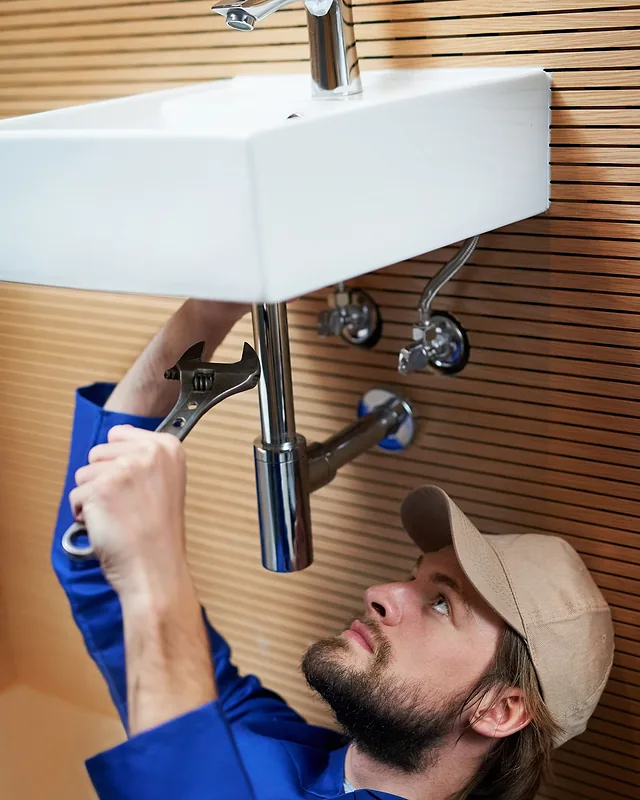
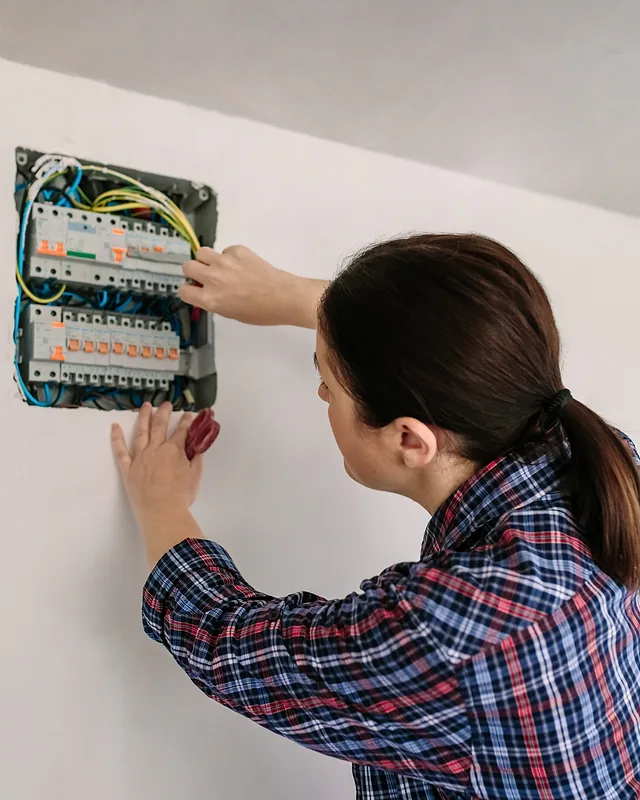
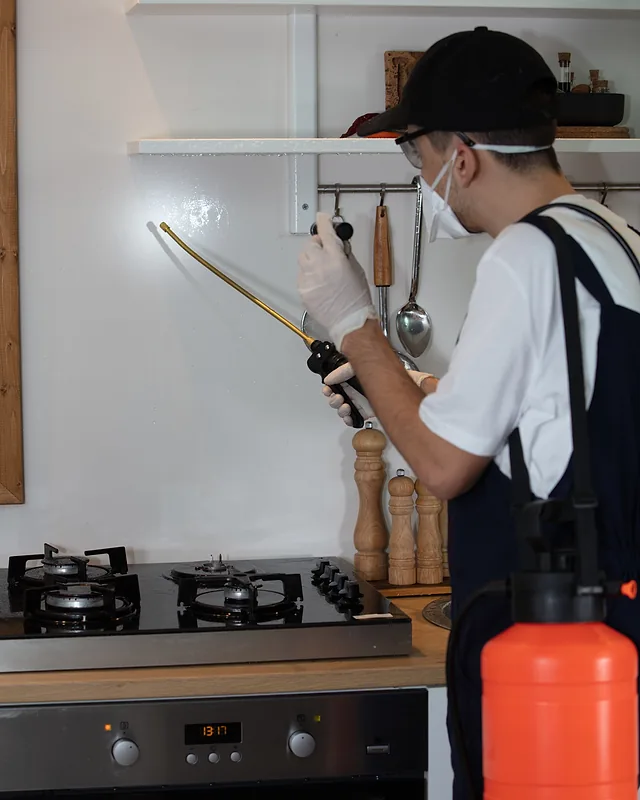





Paid ads are genuinely effective, they bring customers in almost immediately once they’re live. That’s exactly why the infrastructure behind them matters so much. A flood of enquiries arriving faster than your business can handle them doesn’t turn into revenue, it turns into missed calls and wasted ad spend. Before we run paid ads for any client, there’s a checklist we go through first.
You need to know exactly where every customer is coming from. Without full tracking on your paid ads, you’re guessing which campaigns are actually working and which ones are just spending money.
ServiceM8, Service Titan, Jobber or similar, so your quoting and sales process is exceptional, not chaos, the moment leads start coming in faster than you’re used to.
So a lead who doesn’t pick up the first call, or doesn’t reply straight away, doesn’t just disappear. Most jobs aren’t won on the first touch.
The moment your paid ads are running, speed matters. Without a quick response, you’re paying for leads and losing them to whoever calls the customer back first.
Without these four in place, we don’t recommend starting paid ads at all. It’s not caution for its own sake, paid ads without this infrastructure behind them lose money instead of making it.
We help set all of this up and get your paid ads running within a week.
PPC marketing runs across three main platforms, and each one suits a different kind of job. You don’t need all three. Most home service businesses start with one, usually Google, and add the others once it’s working.
Catches someone the moment they search for your trade. Fastest way to start getting calls, live within days. See how we run Google Ads for home service businesses.
Facebook doesn’t wait for someone to search, it puts your business in front of the right household in the right suburb before they’ve even thought about booking. Where Google catches someone mid-search, Facebook creates the interest first. That suits jobs people plan ahead of time: a full house clean before a party, an end-of-lease clean before moving out, a removalist booked weeks in advance, rather than an urgent same-day call-out. See how we run Facebook Ads for home service businesses.

Reaches the slice of searchers who never touch Google, at a lower cost per click since fewer businesses bother running them. See how we run Bing Ads for home service businesses.

PPC stands for pay-per-click. It’s also called paid ads or paid search, and all three terms mean the same thing: advertising where you only pay when someone actually clicks your ad, not just for it being shown. Instead of waiting months for organic SEO rankings to build, PPC puts your business at the top of the page immediately, for as long as you keep paying for it.
Every time someone searches, the platform runs an auction among every advertiser bidding on that keyword. Position isn’t decided by bid amount alone. Quality Score, how relevant your ad and landing page are to the search, combines with your maximum bid to produce your Ad Rank, which decides whether your ad shows at all and where it lands on the page. A highly relevant ad with a lower bid can beat a less relevant ad with a bigger budget behind it. That’s why good PPC management is about relevance and structure, not just outspending the business next door.
A conversion isn’t a click, it’s the action that actually matters: a phone call, a form submitted, a job booked. Without proper conversion tracking, you can see how many people clicked your ad, but you have no real way of knowing how many of those clicks turned into an actual enquiry. That’s the infrastructure piece most businesses skip, and it’s exactly what makes the difference between paid ads that work and paid ads that just look busy.
Paid ads and SEO both aim to get your business seen on Google, they just get there differently. Paid ads is immediate and stops the moment you stop paying. SEO takes months to build but keeps working without a cost per click once it’s ranking. Most home service businesses that run both use paid ads for immediate jobs while long-term SEO work builds underneath it, rather than either one running in isolation.
Pay-per-click. The advertising model itself, you pay only when your ad is clicked.
Cost per click. What you actually pay for each individual click.
Click-through rate. The percentage of people who see your ad and click it.
Google’s rating of how relevant your ad and landing page are to the search.
The action you actually want, a call, a form, a booked job, not just a click.
Cost per click, or CPC, is what you pay each time someone clicks your ad. It’s not the same as cost per impression, what you’d pay just for the ad being shown, and it’s not the same as cost per lead or cost per job, what you actually care about. CPC is one input in a longer chain, not the result itself.
Four things move the number: your Quality Score, how many other advertisers are bidding on the same keyword, how competitive your trade and location are, and how relevant your landing page is to the search. A cleaning business advertising in a competitive metro suburb will usually see a higher CPC than a niche trade in a regional area, simply because more advertisers are bidding for the same searches.
As per our research, the median cost per click for home service trades in Australia right now.
A lower CPC looks better on paper, but it doesn’t tell you whether those clicks turned into actual work. A $4 click that never converts is worse than a $12 click that books a job. That’s the whole reason we report on jobs booked instead of clicks or cost per click in isolation, one number without the other tells you almost nothing about whether the campaign is actually working.
Four things, none of them vague.
Every dollar you spend on Google, Facebook or Bing is billed directly to your own account. We charge one flat management fee.
Most agencies report clicks and impressions. We report the number that actually pays your bills.
Every lead from every platform is pushed straight into ServiceM8, Jobber, Service Titan or whatever you run. No manual re-entry.
Ron Shrestha runs paid ads for his own home service businesses, not just client accounts.
Most agencies keep the account, the reporting and the markup vague, whichever platform they’re running. Here’s what a lot of home service business owners get elsewhere, next to what you get here.
What most agencies do
What we do
Google Ads, for most home service businesses. It catches people at the moment they’re actively searching for your trade, so it’s usually the fastest way to start getting calls.
It depends on your trade, your area and how competitive it is locally. Our current prices for Google Ads, SEO and websites are on our pricing page. Management is flexible and scales with your ad spend, not a fixed package.
No. Most home service businesses start with one and add the others once it’s working. Running all three from day one usually just spreads a budget too thin to judge what’s actually working.
We manage the campaigns end to end, but the ad spend itself is billed directly by Google, Facebook or Bing to your own account. We never touch it or mark it up.
3-month minimum on management, then 30 days’ written notice to cancel. Not 12 months.